Does going to the dentist hurt? what is normal for scaling, fillings and root canals
By Sarah · Updated 2026-06-12
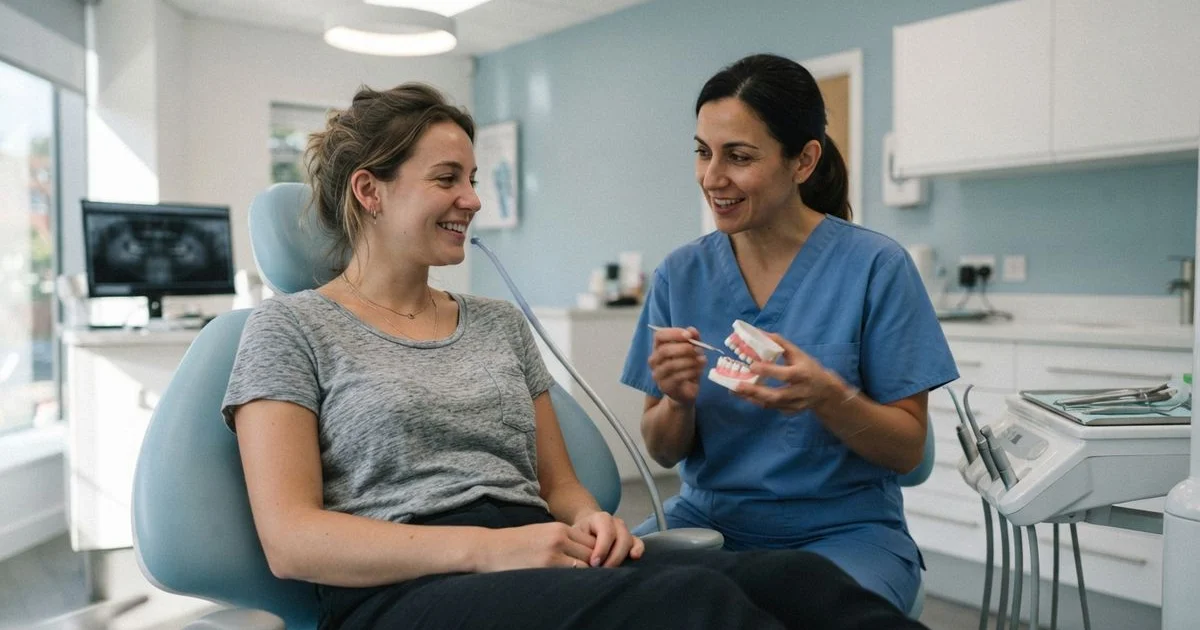
Fear of pain is the single biggest reason people put off dental visits, and it is worth separating what is actually uncomfortable from what people assume will hurt. Across general dentistry clinics in Kuala Lumpur, patient feedback consistently points to painless or gentle treatment as one of the most valued things a clinic gets right, which tells you it is achievable, not just marketing language.
What each common procedure actually feels like
| Procedure | What it typically feels like | Anaesthetic used |
|---|---|---|
| Scaling and polishing | Pressure, vibration, occasional sharp twinge near inflamed gums | Usually none; numbing gel if you are sensitive |
| Fillings | Pressure during drilling, numbness afterward for 1-2 hours | Local anaesthetic injection |
| Root canal treatment | Similar to a filling; longer appointment, more numbing | Local anaesthetic, sometimes topped up |
| Extractions | Pressure and pulling sensation, not sharp pain | Local anaesthetic, sedation for complex cases |
The common thread: proper numbing means the procedure itself should feel like pressure, not pain. If something genuinely hurts once the anaesthetic has taken effect, that is a signal to speak up mid-procedure rather than push through it.
Why scaling sometimes feels sharper than expected
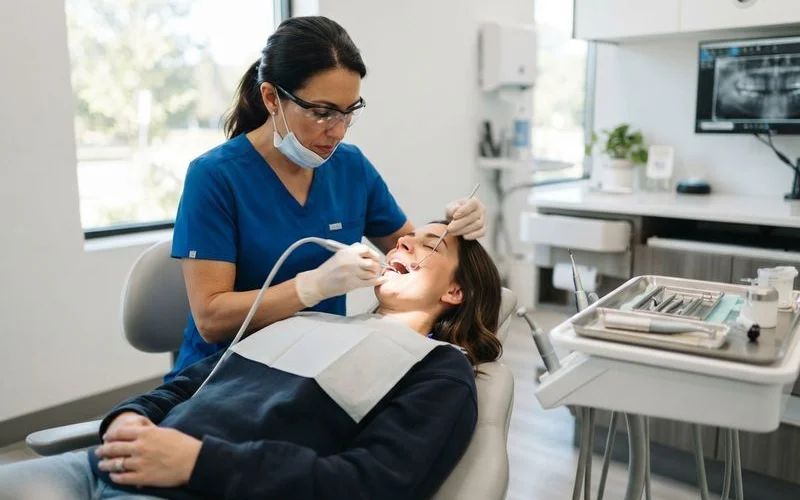
Scaling and polishing is usually the least invasive routine visit, but it can catch people off guard if their gums are already inflamed from a buildup of plaque and tartar. The scaler can feel sharp along the gumline in those spots specifically, not across the whole mouth. A dentist can apply a numbing gel first if you mention sensitivity before starting, and it is a reasonable thing to ask for rather than sit through discomfort assuming it is unavoidable.
Root canals have a worse reputation than they deserve
The phrase “root canal” carries a lot of dread that the actual procedure usually does not match. With proper local anaesthetic, the treatment itself should feel similar to getting a deep filling: pressure and vibration, not sharp pain. What people remember as painful is often the untreated infection or abscess that led to needing the root canal in the first place, not the treatment. If a tooth was already throbbing before you sat in the chair, treatment is what stops that pain, not what causes it.
Why anxiety makes pain feel worse than it is
Anticipating pain actually changes how the brain processes it, so someone who is dreading a visit often experiences more discomfort from the same procedure than someone who is relaxed. Simple things help break this cycle: telling the clinic upfront that you are anxious, agreeing on a signal to pause mid-procedure, and, for some people, listening to music or a podcast during treatment to redirect attention. None of this is a workaround for poor technique, but it does make a genuinely gentle procedure feel more comfortable than facing it tense and braced for pain.
What is normal afterward, and what is not
Mild soreness, sensitivity to temperature, or tenderness when biting down for a day or two after a filling, scaling, or root canal is typical and usually settles on its own. What is not typical:
- Pain that gets worse rather than better after 48-72 hours
- Swelling that spreads, or a fever
- Numbness that does not wear off after the expected few hours
- Pain sharp enough to stop you sleeping or eating
Any of those is worth calling the clinic back rather than waiting it out. This article is general information, not a diagnosis; if you are in significant or worsening pain, contact a dentist directly rather than relying on this guide.
If a visit genuinely hurt
Some discomfort is part of dental work, but a clinic dismissing clear signs of pain, rushing through a long procedure without checking in, or an unusually rough extraction technique is not something to just accept. If a specific visit felt off, it is fair to ask the clinic what happened, and fair to choose a different provider next time if the answer does not satisfy you.
For more on how clinics in this directory are scored based on real patient feedback, see the methodology page. To compare general dentistry options across Kuala Lumpur, start from the homepage.
FAQ
- Is scaling and polishing painful?
- Most patients describe it as pressure and vibration rather than pain. Some sensitivity is normal if you have inflamed gums or exposed tooth roots, and a dentist can numb the area first if needed.
- Does a root canal hurt more than a filling?
- Not when done properly. Local anaesthetic numbs the area for both, so the procedure itself should not hurt. Root canals sometimes involve more visits and a longer numb period, not more pain.
- Why do my teeth feel sensitive for a few days after a filling?
- Mild sensitivity to hot, cold or biting pressure for a few days is common as the tooth and surrounding tissue settle. If it lasts more than a week or gets worse, that is worth a follow-up call.
- What should I do if a procedure genuinely hurt during treatment?
- Tell the dentist immediately, not afterward. Numbing can be topped up mid-procedure. If pain during treatment was ignored or dismissed, that is reasonable grounds to ask questions or seek a second opinion.